Welcome to New Energy Skills' online training platform!
If you're already a student with us, click on the Login button at the top right to view your courses.
Skip available coursesAvailable courses
Alternating current (commonly known
as AC) electricity has an alternating voltage and current waveform, usually a
sine wave.
Most electrical appliances as well
as the electricity grid use AC electricity, however a PV array produces DC
electricity. Therefore, the output of the PV array needs to be converted into
AC electricity before it can be connected to the grid.
This course will teach you how to:
- identify
the main participants of the electricity grid, and their roles in the
electricity market
- relate the fundamental characteristics
of AC electricity including voltage, current, power and frequency
- compare the power factor of different
loads
- identify grid interaction issues due
to abnormal frequency, voltage or earthing.
This course is part of the Grid-Connected PV Systems training pathways. Before you enrol in this course, you should complete the Workplace Health and Safety, DC Electricity, Solar Radiation, and PV Fundamentals courses.
Access will expire 1 year after enrolment.
Direct current (commonly known as DC) is a form of
electricity in which current moves only in one direction. Although most
appliances and equipment are designed to use AC electricity, PV modules produce
energy as DC electricity.
This course will teach you how to:
- identify the
fundamental components of DC electricity including: voltage, current,
resistance, power, and energy
- identify
series and parallel DC circuits and understand how they function
- assess
safety considerations regarding DC electricity
This course is part of the Grid-Connected PV Systems training pathways. Before you enrol in this course, you should complete the Workplace Health and Safety course.
Access will expire 1 year after enrolment.
Safety at a work site should always be treated as paramount and mandatory. This is no
different in the design and installation of a grid connected PV System.
WH&S, OHS and OSH are some commonly used terms that are used specifically in
different countries to implement and monitor safety protocols which forms the
guiding principles of all work-related health and safety procedures.
This course will teach you how to:
- identify and assess all possible
safety hazards/risks or simply carry out a risk assessment
- implement suitable strategies to
eliminate or minimise the identified risks
- develop an appropriate WH&S
procedure document according to each specific set of tasks for a project
This course is part of the Grid-Connected PV Systems training pathways. There are no prerequisite courses.
Access will expire 1 year after enrolment.
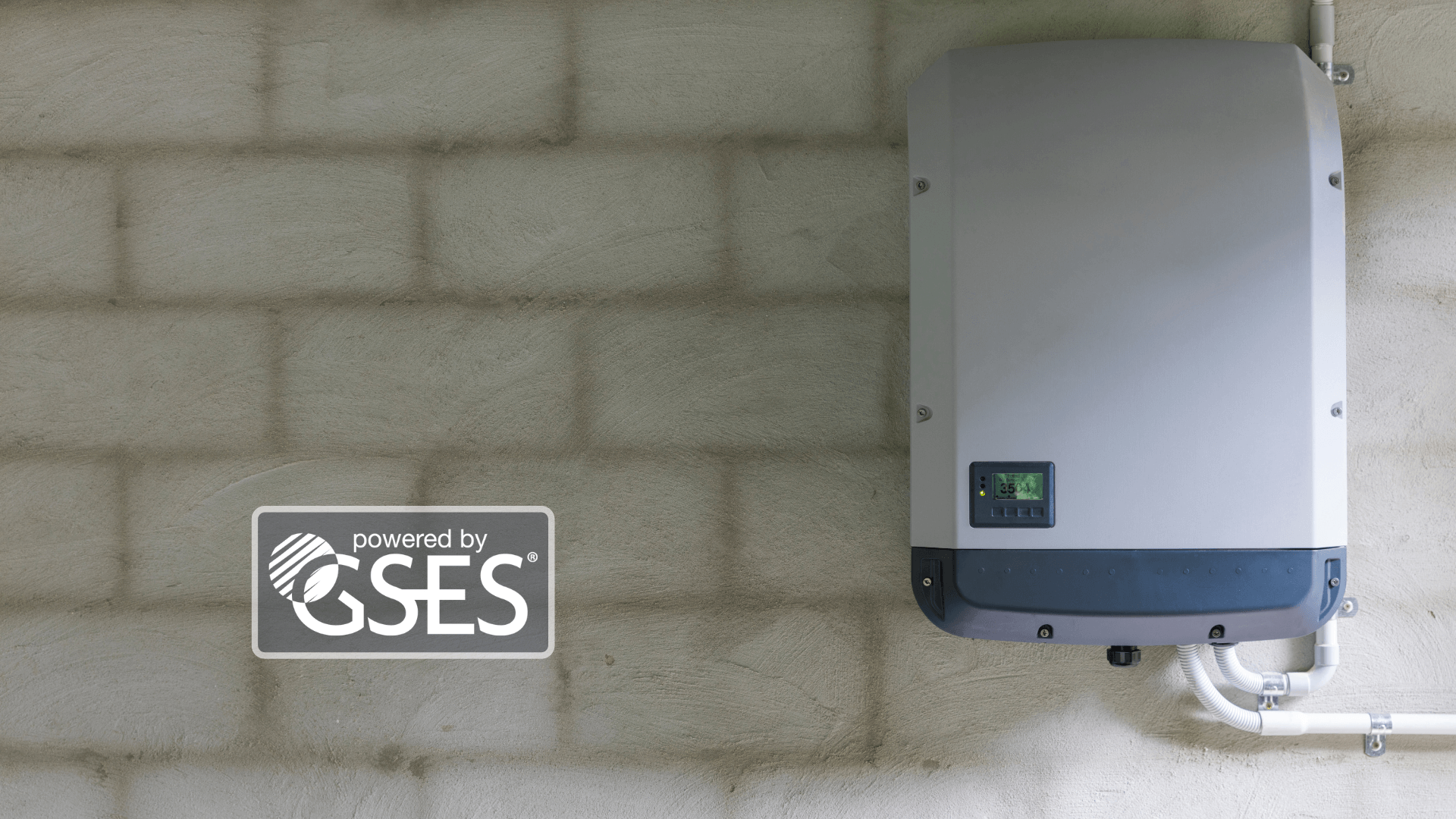
Inverters are one of the major components of a PV system and are used to convert the DC electricity generated by PV modules into AC electricity which is compatible with the grid and appliances.
There are many different types and sizes of inverters: it is important to understand the specifications of these inverters, the different types of inverters available and the range of features provided by inverter manufacturers and models.
This course will teach you how to:
- Explain how inverters work
- Identify the critical specifications of an inverter, including DC, AC and physical requirements
- Compare different types of inverters
- Assess protection system requirements of an inverter
- Obtain system performance data using monitoring systems
This course is part of the Grid-Connected PV Systems training pathways. Before you enrol in this course, you should complete the Workplace Health and Safety, DC Electricity, Solar Radiation, PV Fundamentals and AC Electricity courses.
Access will expire 1 year after enrolment.

A grid-connected
PV system must be designed for the specific site conditions where the system
will be installed. A well-resourced site assessment forms the basis for an
accurate system design and a safe system installation, and ensures that the PV
system will be able to operate at its full potential. The assessment process
also identifies any site-specific hazards and potential installation
challenges. The site assessment is made of two phases: a desktop study and an
on-site assessment.
This course will
teach you how to:
- Perform a desktop study and on-site assessment
for a grid connected PV system
- Determine a suitable location for the PV array
and possible configurations
- Identify mounting system requirements
- Determine a suitable location for the inverter
and any monitoring equipment
- Assess the site’s grid-connection practicalities
- Understand the impact of local climate,
maintenance, and security requirements on the system design and installation
This course is part of the Grid-Connected PV Systems training pathways. Before you enrol in this course, you should complete the Energy Assessment course.
Access will expire 1 year after enrolment.

A grid-connected
PV system must be designed for the specific site conditions where the system
will be installed. A well-resourced site assessment forms the basis for an
accurate system design and a safe system installation, and ensures that the PV
system will be able to operate at its full potential. The assessment process
also identifies any site-specific hazards and potential installation
challenges. The site assessment is made of two phases: a desktop study and an
on-site assessment.
This course will
teach you how to:
- Perform a desktop study and on-site assessment
for a grid connected PV system
- Determine a suitable location for the PV array
and possible configurations
- Identify mounting system requirements
- Determine a suitable location for the inverter
and any monitoring equipment
- Assess the site’s grid-connection practicalities
- Understand the impact of local climate,
maintenance, and security requirements on the system design and installation
This course is part of the Grid-Connected PV Systems training pathways. Before you enrol in this course, you should complete the Energy Assessment course.
Access will expire 1 year after enrolment.
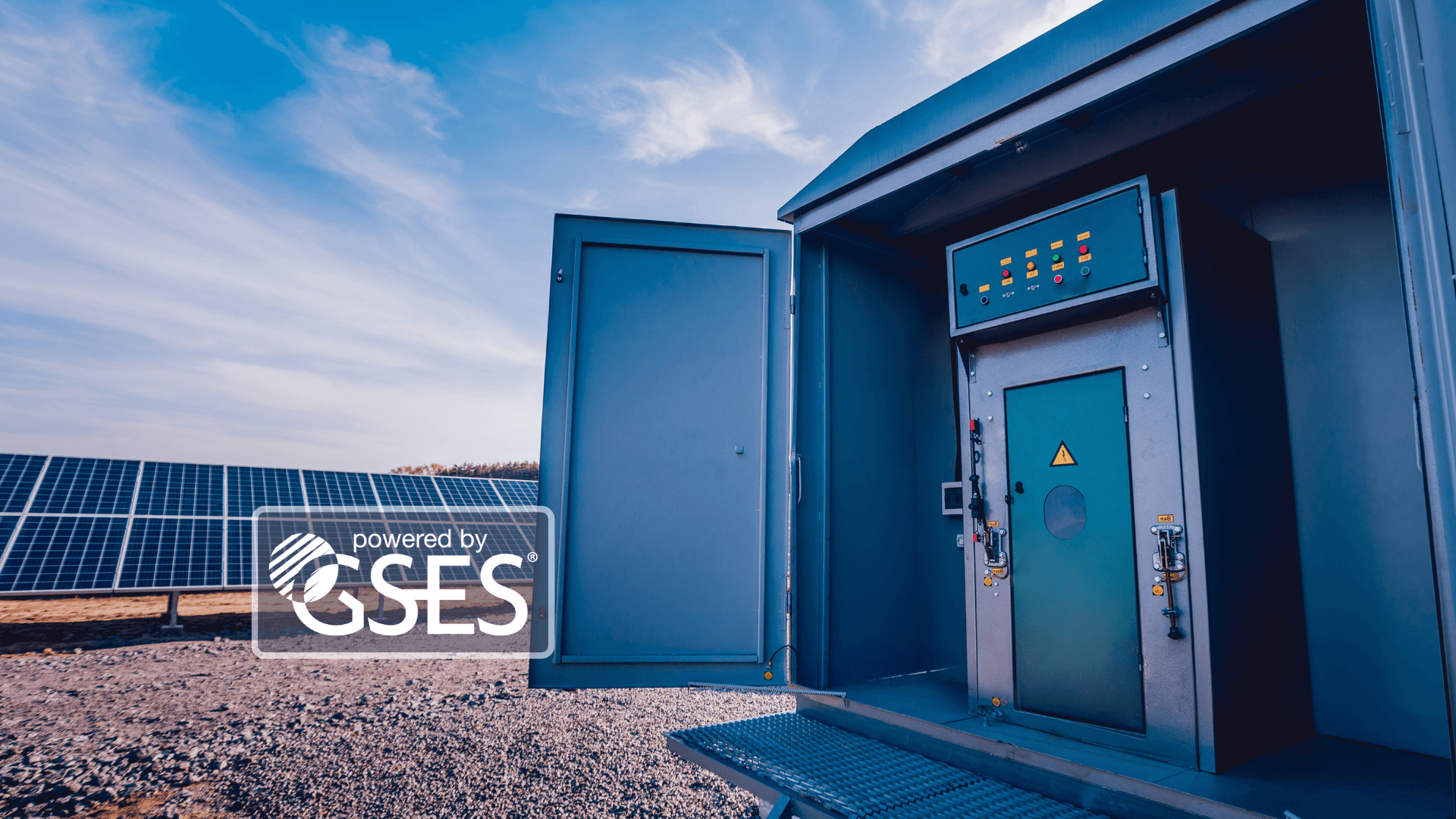
The design of a grid-connected PV
system must ensure that the proposed solar array matches the capabilities of
the chosen inverter, in particular the voltage, current and power ratings.
There are specific, extensive calculations that must be performed to determine
which array configurations are suitable for connection to the proposed
inverter. These calculations are critical to prevent damage to the inverter and
maximise the system yield.
This course will teach you how to:
- Select an inverter
- Calculate the minimum and maximum
number of modules in a string, using voltage and temperature
- Calculate the maximum number of
parallel strings, using current and temperature
- Calculate the maximum number of
modules in an array, using power
- Identify appropriate configurations
for the system
This course is part of the Grid-Connected PV Systems training pathways. Before you enrol in this course, you should complete the Workplace Health and Safety, DC Electricity, AC Electricity, Solar Radiation, PV Fundamentals, Inverters, PV Mounting Systems, Balance of System, Energy Assessment, and Site Assessment courses.
Access will expire 1 year after enrolment.

All electrical systems require that forms of circuit protection be applied wherever necessary and when it is best practice to do so. Properly designed circuit protection safeguards electrical equipment and people against a fault, for example when carrying out any work on the system, such as troubleshooting. Relevant local and international standards, local service rules and the network operator’s regulations should provide the basis for the system’s overall protection design.
This course will teach you how to:
- Calculate the DC overcurrent protection sizing requirements
- Select appropriate DC disconnection devices
- Determine the AC overcurrent and disconnection devices required
- Identify system earthing, lightning protection, and RCD requirements to protect equipment
This course is part of the Grid-Connected PV Systems training pathways. Before you enrol in this course, you should complete the Workplace Health and Safety, DC Electricity, AC Electricity, Solar Radiation, PV Fundamentals, Inverters, PV Mounting Systems, Balance of System, Energy Assessment, Site Assessment, and Matching Array and Inverter courses.
Access will expire 1 year after enrolment.

A grid-connected
PV system must be designed for the specific site conditions where the system
will be installed. A well-resourced site assessment forms the basis for an
accurate system design and a safe system installation, and ensures that the PV
system will be able to operate at its full potential. The assessment process
also identifies any site-specific hazards and potential installation
challenges. The site assessment is made of two phases: a desktop study and an
on-site assessment.
This course will
teach you how to:
- Perform a desktop study and on-site assessment
for a grid connected PV system
- Determine a suitable location for the PV array
and possible configurations
- Identify mounting system requirements
- Determine a suitable location for the inverter
and any monitoring equipment
- Assess the site’s grid-connection practicalities
- Understand the impact of local climate,
maintenance, and security requirements on the system design and installation
This course is part of the Grid-Connected PV Systems training pathways. Before you enrol in this course, you should complete the Energy Assessment course.
Access will expire 1 year after enrolment.

A grid-connected
PV system must be designed for the specific site conditions where the system
will be installed. A well-resourced site assessment forms the basis for an
accurate system design and a safe system installation, and ensures that the PV
system will be able to operate at its full potential. The assessment process
also identifies any site-specific hazards and potential installation
challenges. The site assessment is made of two phases: a desktop study and an
on-site assessment.
This course will
teach you how to:
- Perform a desktop study and on-site assessment
for a grid connected PV system
- Determine a suitable location for the PV array
and possible configurations
- Identify mounting system requirements
- Determine a suitable location for the inverter
and any monitoring equipment
- Assess the site’s grid-connection practicalities
- Understand the impact of local climate,
maintenance, and security requirements on the system design and installation
This course is part of the Grid-Connected PV Systems training pathways. Before you enrol in this course, you should complete the Energy Assessment course.
Access will expire 1 year after enrolment.

A grid-connected
PV system must be designed for the specific site conditions where the system
will be installed. A well-resourced site assessment forms the basis for an
accurate system design and a safe system installation, and ensures that the PV
system will be able to operate at its full potential. The assessment process
also identifies any site-specific hazards and potential installation
challenges. The site assessment is made of two phases: a desktop study and an
on-site assessment.
This course will
teach you how to:
- Perform a desktop study and on-site assessment
for a grid connected PV system
- Determine a suitable location for the PV array
and possible configurations
- Identify mounting system requirements
- Determine a suitable location for the inverter
and any monitoring equipment
- Assess the site’s grid-connection practicalities
- Understand the impact of local climate,
maintenance, and security requirements on the system design and installation
This course is part of the Grid-Connected PV Systems training pathways. Before you enrol in this course, you should complete the Energy Assessment course.
Access will expire 1 year after enrolment.

A grid-connected
PV system must be designed for the specific site conditions where the system
will be installed. A well-resourced site assessment forms the basis for an
accurate system design and a safe system installation, and ensures that the PV
system will be able to operate at its full potential. The assessment process
also identifies any site-specific hazards and potential installation
challenges. The site assessment is made of two phases: a desktop study and an
on-site assessment.
This course will
teach you how to:
- Perform a desktop study and on-site assessment
for a grid connected PV system
- Determine a suitable location for the PV array
and possible configurations
- Identify mounting system requirements
- Determine a suitable location for the inverter
and any monitoring equipment
- Assess the site’s grid-connection practicalities
- Understand the impact of local climate,
maintenance, and security requirements on the system design and installation
This course is part of the Grid-Connected PV Systems training pathways. Before you enrol in this course, you should complete the Energy Assessment course.
Access will expire 1 year after enrolment.

A grid-connected
PV system must be designed for the specific site conditions where the system
will be installed. A well-resourced site assessment forms the basis for an
accurate system design and a safe system installation, and ensures that the PV
system will be able to operate at its full potential. The assessment process
also identifies any site-specific hazards and potential installation
challenges. The site assessment is made of two phases: a desktop study and an
on-site assessment.
This course will
teach you how to:
- Perform a desktop study and on-site assessment
for a grid connected PV system
- Determine a suitable location for the PV array
and possible configurations
- Identify mounting system requirements
- Determine a suitable location for the inverter
and any monitoring equipment
- Assess the site’s grid-connection practicalities
- Understand the impact of local climate,
maintenance, and security requirements on the system design and installation
This course is part of the Grid-Connected PV Systems training pathways. Before you enrol in this course, you should complete the Energy Assessment course.
Access will expire 1 year after enrolment.

A grid-connected PV system is a financial investment, including upfront and ongoing costs and also financial benefits. This course will aim to help you gain a deeper understand the economics of PV systems such as the payback period of the system using simple financial models. Exercise questions will also test your knowledge and are important when determining the ongoing benefit and risk-reward benefit of a PV system. This course will teach you how to:
- Perform a lifecycle analysis of the PV system
- Calculate the ongoing cost of the PV system
- Calculate the ongoing benefit of the PV system
- Determining the payback period of the PV system
This course is part of the Grid-Connected PV Systems training pathways. Before you enrol in this course, you should complete the Workplace Health and Safety, DC Electricity, AC Electricity, Solar Radiation, PV Fundamentals, Inverters, PV Mounting Systems, Balance of System, Energy Assessment, Site Assessment, Matching Array and Inverter, and PV System Protection, PV Cable Design, PV Efficiency & Yield courses.
Access will expire 1 year after enrolment.

Solar radiation,
also known as the solar resource or simply sunlight, is a general term for the energy
emitted by the sun. The electricity produced by a solar cell is proportional to
the solar radiation input, so it is important to determine the amount of solar
radiation that will reach the PV cell or module. The received solar radiation
varies depending on the location, time of day and time of year, as well as on
the orientation of the PV module relative to the Sun’s position. Using this
information, the modules can be optimally located so that they receive maximum solar
radiation and hence produce the most amount of electrical energy.
This course will teach you how to:
-
develop an understanding on the source of solar
radiation and the solar radiation spectrum
- determine solar radiation measurements, peak sun
hours, the units and the associated conversions
- analyse the effect of geometry (which is
essentially the tilt and orientation)
- compare the varying positions of the sun throughout
the day and year
- calculate solar altitude
- identify the optimal tilt and orientation for a
site to maximise the amount of irradiation received
This course is part of the Grid-Connected PV Systems training pathways. Before you enrol in this course, you should complete the Workplace Health and Safety, and DC Electricity courses.
Access will expire 1 year after enrolment.
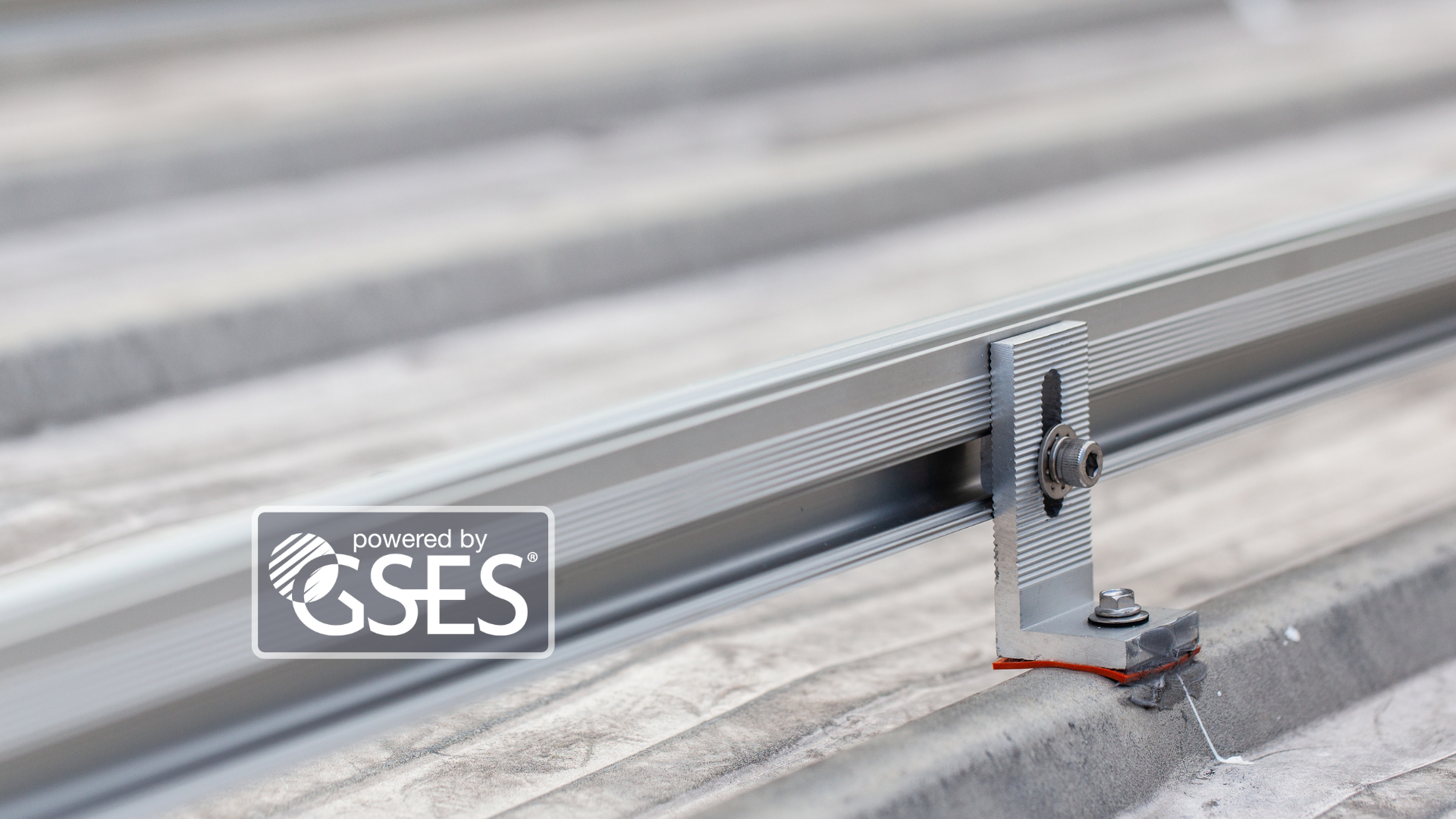
The PV modules installed in an array should produce the maximum yield
and have the appropriate structural support to withstand the real-world
environment. Various mounting systems and techniques are necessary in order to
achieve both these goals, which also need to comply with applicable building codes,
regulations and standards, and module manufacturer’s mounting requirements.
This course will teach you how to:
- Explain mounting system
considerations
- Compare different types of
mounting systems, including roof, ground and building-integrated PV
- List the main components of roof
mounting system design including mounting rails, roof attachments and module
clamps
- Use techniques to meet or exceed
the maximum expected wind speeds at a location
This course is part of the Grid-Connected PV Systems training pathways. Before you enrol in this course, you should complete the Workplace Health and Safety, DC Electricity, Solar Radiation, PV Fundamentals, AC Electricity and Inverters courses.
Access will expire 1 year after enrolment.
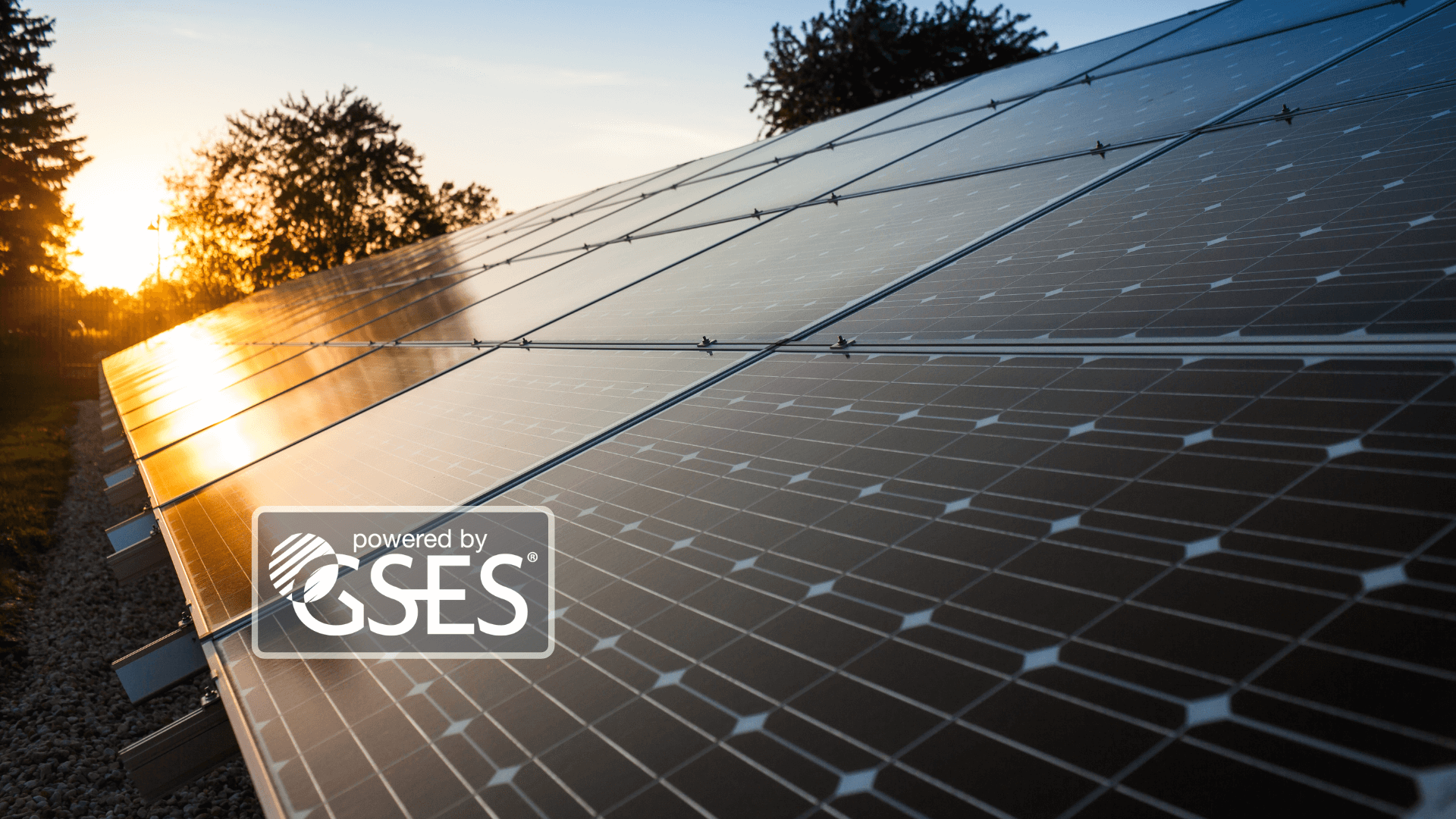
Photovoltaics (commonly known as
PV) is the term used to describe the conversion of solar radiation (‘photo’) into electricity
(‘voltaics’). Solar cells are small PV units able to generate electricity when sunlight hits
them. These solar cells are used collectively to form the PV modules comprising a
grid-connected PV system.
This course will teach you:
- How a solar cell converts sunlight
into electricity
- The electrical and operating
characteristics of a solar cell
- How solar cells are combined in
series to create a solar module
- How solar modules are combined in
series and parallel to create a solar array
- Manufacturing processes of different
types of module technologies
- Protection requirements for effective
operation of modules in an array
- How external conditions can
affect the performance and reliability of modules
This course is part of the Grid-Connected PV Systems training pathways. Before you enrol in this course, you should complete the DC Electricity and Solar Radiation courses.
Access will expire 1 year after enrolment.

A grid-connected
PV system must be designed for the specific site conditions where the system
will be installed. A well-resourced site assessment forms the basis for an
accurate system design and a safe system installation, and ensures that the PV
system will be able to operate at its full potential. The assessment process
also identifies any site-specific hazards and potential installation
challenges. The site assessment is made of two phases: a desktop study and an
on-site assessment.
This course will
teach you how to:
- Perform a desktop study and on-site assessment
for a grid connected PV system
- Determine a suitable location for the PV array
and possible configurations
- Identify mounting system requirements
- Determine a suitable location for the inverter
and any monitoring equipment
- Assess the site’s grid-connection practicalities
- Understand the impact of local climate,
maintenance, and security requirements on the system design and installation
This course is part of the Grid-Connected PV Systems training pathways. Before you enrol in this course, you should complete the Energy Assessment course.
Access will expire 1 year after enrolment.

A grid-connected
PV system must be designed for the specific site conditions where the system
will be installed. A well-resourced site assessment forms the basis for an
accurate system design and a safe system installation, and ensures that the PV
system will be able to operate at its full potential. The assessment process
also identifies any site-specific hazards and potential installation
challenges. The site assessment is made of two phases: a desktop study and an
on-site assessment.
This course will
teach you how to:
- Perform a desktop study and on-site assessment
for a grid connected PV system
- Determine a suitable location for the PV array
and possible configurations
- Identify mounting system requirements
- Determine a suitable location for the inverter
and any monitoring equipment
- Assess the site’s grid-connection practicalities
- Understand the impact of local climate,
maintenance, and security requirements on the system design and installation
This course is part of the Grid-Connected PV Systems training pathways. Before you enrol in this course, you should complete the Energy Assessment course.
Access will expire 1 year after enrolment.

A grid-connected
PV system must be designed for the specific site conditions where the system
will be installed. A well-resourced site assessment forms the basis for an
accurate system design and a safe system installation, and ensures that the PV
system will be able to operate at its full potential. The assessment process
also identifies any site-specific hazards and potential installation
challenges. The site assessment is made of two phases: a desktop study and an
on-site assessment.
This course will
teach you how to:
- Perform a desktop study and on-site assessment
for a grid connected PV system
- Determine a suitable location for the PV array
and possible configurations
- Identify mounting system requirements
- Determine a suitable location for the inverter
and any monitoring equipment
- Assess the site’s grid-connection practicalities
- Understand the impact of local climate,
maintenance, and security requirements on the system design and installation
This course is part of the Grid-Connected PV Systems training pathways. Before you enrol in this course, you should complete the Energy Assessment course.
Access will expire 1 year after enrolment.

A grid-connected
PV system must be designed for the specific site conditions where the system
will be installed. A well-resourced site assessment forms the basis for an
accurate system design and a safe system installation, and ensures that the PV
system will be able to operate at its full potential. The assessment process
also identifies any site-specific hazards and potential installation
challenges. The site assessment is made of two phases: a desktop study and an
on-site assessment.
This course will
teach you how to:
- Perform a desktop study and on-site assessment
for a grid connected PV system
- Determine a suitable location for the PV array
and possible configurations
- Identify mounting system requirements
- Determine a suitable location for the inverter
and any monitoring equipment
- Assess the site’s grid-connection practicalities
- Understand the impact of local climate,
maintenance, and security requirements on the system design and installation
This course is part of the Grid-Connected PV Systems training pathways. Before you enrol in this course, you should complete the Energy Assessment course.
Access will expire 1 year after enrolment.

A grid-connected
PV system must be designed for the specific site conditions where the system
will be installed. A well-resourced site assessment forms the basis for an
accurate system design and a safe system installation, and ensures that the PV
system will be able to operate at its full potential. The assessment process
also identifies any site-specific hazards and potential installation
challenges. The site assessment is made of two phases: a desktop study and an
on-site assessment.
This course will
teach you how to:
- Perform a desktop study and on-site assessment
for a grid connected PV system
- Determine a suitable location for the PV array
and possible configurations
- Identify mounting system requirements
- Determine a suitable location for the inverter
and any monitoring equipment
- Assess the site’s grid-connection practicalities
- Understand the impact of local climate,
maintenance, and security requirements on the system design and installation
This course is part of the Grid-Connected PV Systems training pathways. Before you enrol in this course, you should complete the Energy Assessment course.
Access will expire 1 year after enrolment.

A grid-connected
PV system must be designed for the specific site conditions where the system
will be installed. A well-resourced site assessment forms the basis for an
accurate system design and a safe system installation, and ensures that the PV
system will be able to operate at its full potential. The assessment process
also identifies any site-specific hazards and potential installation
challenges. The site assessment is made of two phases: a desktop study and an
on-site assessment.
This course will
teach you how to:
- Perform a desktop study and on-site assessment
for a grid connected PV system
- Determine a suitable location for the PV array
and possible configurations
- Identify mounting system requirements
- Determine a suitable location for the inverter
and any monitoring equipment
- Assess the site’s grid-connection practicalities
- Understand the impact of local climate,
maintenance, and security requirements on the system design and installation
This course is part of the Grid-Connected PV Systems training pathways. Before you enrol in this course, you should complete the Energy Assessment course.
Access will expire 1 year after enrolment.
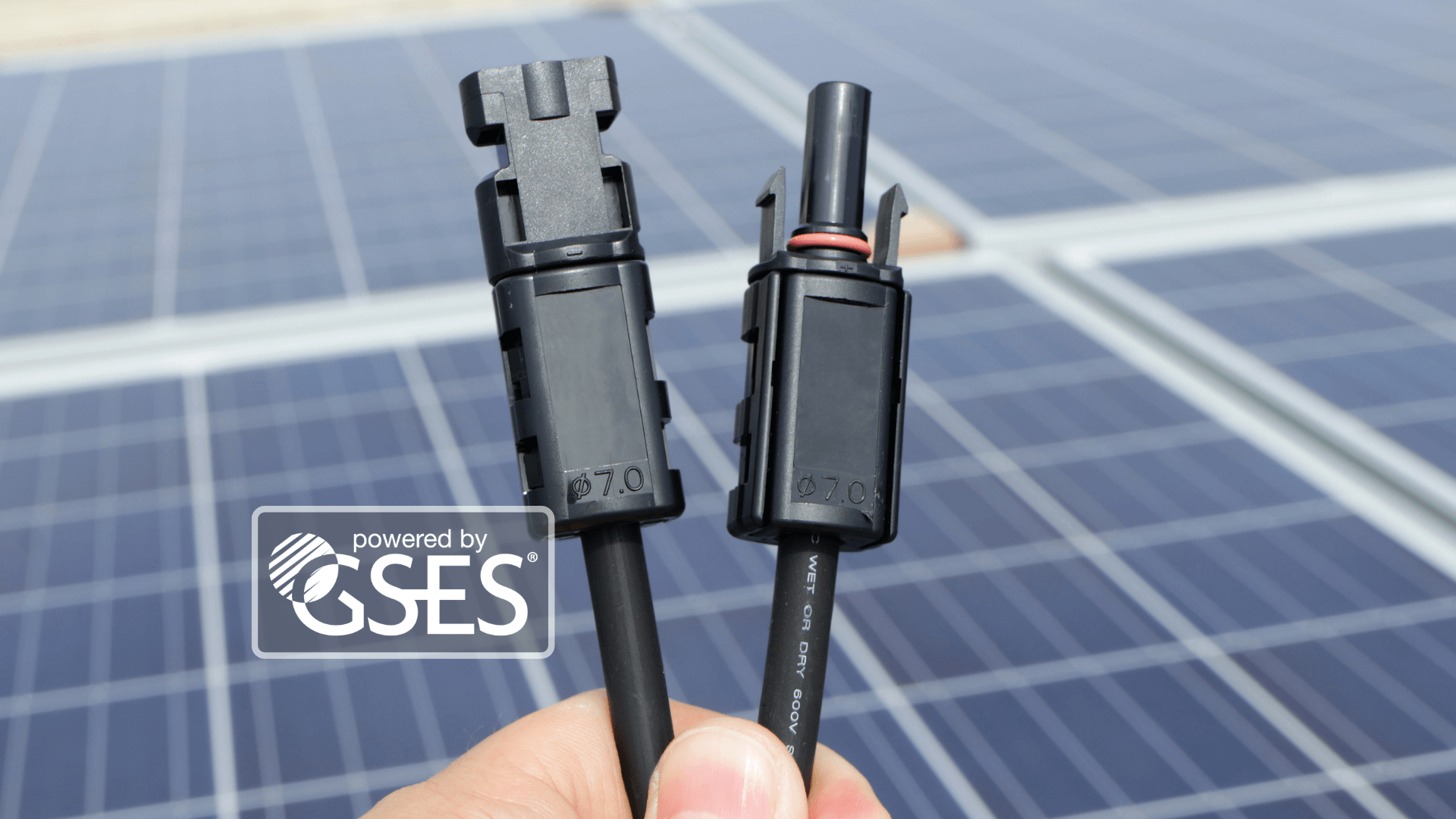
After a grid-connected PV system has been designed and approved, it's time for the installation. System installation involves many processes and techniques to ensure that each system is installed according to the relevant standards and guidelines. This course will explore the techniques and best practice guidelines to installing PV systems components including but not limited to; PV modules, inverters, system protection and disconnection, general cabling, earthing, monitoring and signage. This course will teach you:
The best techniques and practices to installing a PV system including:
- PV Modules
- Inverters
- System Protection
- Disconnection Devices
- General Cabling
- Earthing
- Monitoring
- Signage
This course is part of the Grid-Connected PV Systems training pathways. Before you enrol in this course, you should complete the Workplace Health and Safety, DC Electricity, AC Electricity, Solar Radiation, PV Fundamentals, Inverters, PV Mounting Systems, Balance of System, Energy Assessment, Site Assessment, Matching Array and Inverter, and PV System Protection, PV Cable Design, PV Efficiency & Yield, PV System Economics courses.
Access will expire 1 year after enrolment.

A grid-connected
PV system must be designed for the specific site conditions where the system
will be installed. A well-resourced site assessment forms the basis for an
accurate system design and a safe system installation, and ensures that the PV
system will be able to operate at its full potential. The assessment process
also identifies any site-specific hazards and potential installation
challenges. The site assessment is made of two phases: a desktop study and an
on-site assessment.
This course will
teach you how to:
- Perform a desktop study and on-site assessment
for a grid connected PV system
- Determine a suitable location for the PV array
and possible configurations
- Identify mounting system requirements
- Determine a suitable location for the inverter
and any monitoring equipment
- Assess the site’s grid-connection practicalities
- Understand the impact of local climate,
maintenance, and security requirements on the system design and installation
This course is part of the Grid-Connected PV Systems training pathways. Before you enrol in this course, you should complete the Energy Assessment course.
Access will expire 1 year after enrolment.